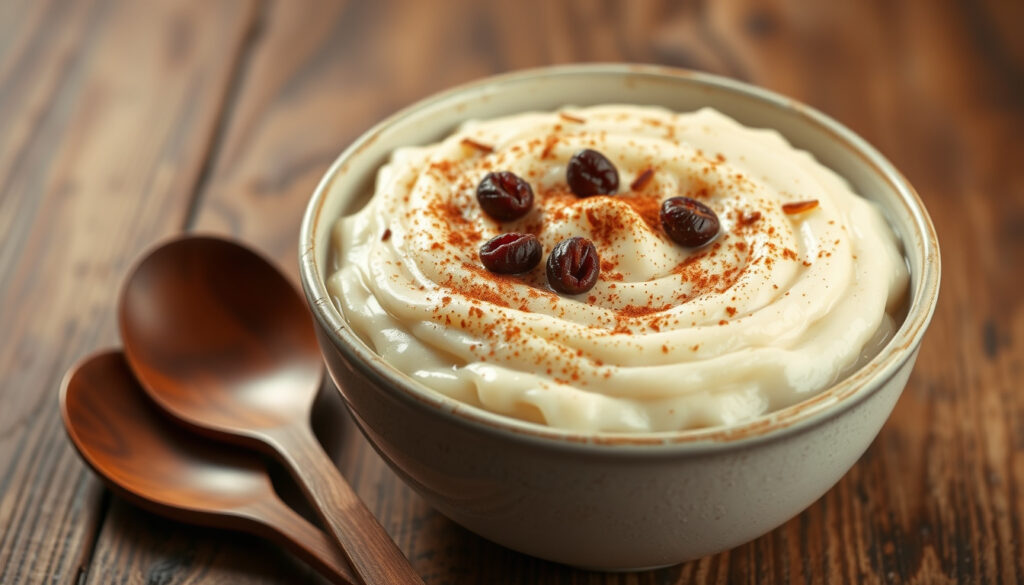
How to Make Rice Pudding: Easy Stovetop and Oven Recipes
There’s a reason rice pudding has survived centuries of kitchen trends — a handful of humble ingredients transforms into something that feels genuinely comforting. Whether you’re working with leftover rice from last night or starting fresh, the process rewards patience and rewards you with a bowl that tastes like it took much longer than it did. This guide walks through both stovetop and oven methods, with specific timings and ingredient ratios from some well-tested recipe sources.
Oven temperature: 150C/130C fan/gas 2 · Basic cook time stovetop: 15 minutes · Core ingredients: Rice, milk, sugar, salt · Common finishings: Cinnamon, vanilla, raisins · Baking dish size: 850ml
Quick snapshot
- Oven method at 150C from A Spicy Perspective
- Stovetop 15 min from Life Made Simple Bakes
- Refrigerator storage up to 5 days from Life Made Simple Bakes
- Exact diabetic suitability without portion control specifics
- Whether pudding rice (short-grain) is strictly necessary versus long-grain working equally well
- Simmer 30 min with lid, stir at 10/20/25 min from Feast Glorious Feast
- Then 5 min uncovered, rest 10 min before serving (Feast Glorious Feast)
- Baked rice pudding reaches “set sides, jiggly center” at 40-45 min from A Spicy Perspective
- Custard-style version uses water bath for creamier texture from Tastes Better From Scratch
| Parameter | Value |
|---|---|
| Standard oven temp | 150C/130C fan/gas 2 |
| Stovetop thickness time | 15 minutes |
| Key BBC step | Wash and drain rice |
| Common pairings | Cinnamon, raisins, vanilla |
How do I make a simple rice pudding?
The stovetop method is the quickest route to a creamy rice pudding and gives you direct control over the consistency as you cook. According to Feast Glorious Feast (recipe blog specializing in comfort desserts), the process involves simmering rice in milk with a covered lid for 30 minutes, stirring at the 10, 20, and 25-minute marks. After the covered simmer, you uncovered the pot for an additional 5 minutes to let excess moisture evaporate. Let the pudding rest for 10 minutes with the lid on before serving, and it will thicken slightly further.
Stovetop method
- Combine rice, milk, sugar, and salt in a heavy-bottomed pot
- Simmer covered for 30 minutes, stirring at 10, 20, and 25 minute marks
- Uncover and simmer 5 more minutes, stirring constantly
- Rest 10 minutes with lid on before serving
Ingredients list
| Ingredient | Amount |
|---|---|
| Long-grain or pudding rice | 100g |
| Whole milk | 800ml |
| Sugar | 100g |
| Salted butter | 60g |
| Double cream | 400ml |
| Pinch salt | To taste |
Step-by-step instructions
Life Made Simple Bakes offers a slightly faster approach using an egg tempering technique. Their recipe uses 2⅔ cups whole milk, ½ cup long-grain rice, 2 tablespoons unsalted butter, a pinch of salt, 1 egg, and ¼ cup brown sugar. The rice cooks covered at a simmer for 15 minutes, then you whisk tempered egg back into the pot for an additional 5-8 minutes of cooking. This method produces an extra-luscious texture because the egg enriches the custard base without scrambling.
Stovetop rice pudding can be stored in an airtight container in the refrigerator for up to 5 days, making it an ideal make-ahead dessert for busy weeknights.
What are the 5 ingredients in rice pudding?
The most basic rice pudding requires just five ingredients, and every recipe builds from this foundation. According to Dish ‘n’ the Kitchen (food blog with emphasis on traditional techniques), the essential ingredients are rice, milk, sugar, cinnamon, and salt. These five elements create the classic old-fashioned flavor profile that has defined rice pudding across generations of home cooks.
Basic 5-ingredient version
- Rice (pudding rice preferred, but long-grain works)
- Whole milk
- Sugar (white or brown depending on preference)
- Cinnamon (ground or sticks)
- Salt (small pinch to balance sweetness)
Traditional additions
Most traditional recipes layer in flavorings beyond the basics. Vanilla extract, raisins, nutmeg, and lemon zest are common additions that transform a plain rice pudding into something with more character. Cooking with Carlee (baking-focused recipe blog) includes ½ teaspoon cinnamon and ½ teaspoon nutmeg in their baked version, along with ¼ cup raisins for sweetness and texture contrast.
Do you boil rice before making rice pudding?
This is where recipes diverge significantly, and the answer depends on which method you’re using. According to Twice as Tasty (food blog comparing cooking techniques), baked rice pudding typically starts with already-cooked rice, while stovetop versions can work with either raw or pre-cooked grains. The advantage of using cooked rice in baked pudding is that the dish comes together faster and you’re working with grains that have already released some of their starch.
Using cooked vs uncooked rice
Cooked rice absorbs liquid more evenly and quickly in the oven, making it ideal for baked custards. Tastes Better From Scratch (home cooking blog) uses 3 cups of cooked rice in their custard-style baked pudding, which has a 10-minute prep time and 50-minute bake time. Uncooked rice in stovetop pudding cooks directly in the milk, releasing starch as it goes and creating natural creaminess without any added thickeners.
Prep tips
- Wash and drain rice before using to remove excess starch
- Leftover rice works perfectly and shortens overall prep time
- Use a heavy-bottomed pot for stovetop to prevent scorching
- Stir frequently during the final 5-10 minutes to prevent sticking
Starting with already-cooked rice versus raw rice changes the texture outcome: cooked rice gives you a more uniform custard-like result, while raw rice produces pudding with more distinct grain structure.
How to make Irish rice pudding?
Irish rice pudding traditions differ from the British and American versions in subtle but meaningful ways. The Irish approach tends toward a lighter, more egg-enriched custard, and traditional recipes sometimes transform leftover rice pudding into fried fritters. According to Feast Glorious Feast, some traditional Irish recipes call for mixing cold rice pudding with egg and flour to create batter for frying, which is a creative way to use leftovers and showcases the adaptability of the dish.
Traditional Irish method
- Uses a generous amount of eggs for richness
- Often includes butter for extra flavor
- Cooked slowly on the stovetop to develop a skin
- Sometimes finished as fried fritters
Key differences
The defining characteristic of Irish rice pudding is the emphasis on egg for richness, which creates a more custard-like texture than simple milk-based versions. Life Made Simple Bakes incorporates one whole egg tempered into their stovetop recipe, which mirrors the Irish approach to achieving that signature silky texture. The result is a rice pudding that stands up well to reheating without breaking.
Is rice pudding good for diabetics?
Rice pudding presents a particular challenge for those managing blood sugar, primarily because rice itself is high in carbohydrates and the milk adds additional lactose sugar. According to Feast Glorious Feast, the dish can be adapted with reduced sugar or sugar substitutes for those monitoring their intake, though portion control remains essential. Consulting diabetes-specific dietary resources would be advisable before making rice pudding a regular part of a diabetic meal plan.
Nutritional considerations
- Standard rice pudding is high in carbohydrates from rice and lactose from milk
- One serving of baked custard-style rice pudding from Tastes Better From Scratch serves 6 people from one batch
- Traditional recipes without eggs rely purely on milk proteins for texture
Healthy adaptations
Reducing sugar content is the most straightforward adaptation for diabetic-friendly rice pudding. Using sugar substitutes or reducing the overall sugar quantity while maintaining sweetness with cinnamon and vanilla allows those monitoring blood sugar to enjoy the dish in moderation. Cooking with Carlee uses ½ cup granulated sugar for their baked version serving 6, which works out to roughly 2 tablespoons per serving — manageable with careful portion control.
Freezing rice pudding may affect the creamy texture upon thawing, according to Life Made Simple Bakes. The milk proteins can separate during the freeze-thaw process, resulting in a grainier consistency that some find less appealing.
How to make baked rice pudding?
The oven method offers a hands-off approach that requires less active monitoring than stovetop cooking. A Spicy Perspective recommends preheating the oven to 350°F and using a 9×9-inch baking dish for a standard-sized pudding. The trade-off for convenience is longer baking time — plan for 40-45 minutes in a 9×9-inch dish or 35-40 minutes if using a larger 11-inch pan.
- Preheat oven to 350°F (175°C)
- Combine rice, milk, eggs, sugar, and flavorings in baking dish
- Bake 40-45 minutes until sides are set but center is jiggly
- Cool slightly before serving; pudding continues to set as it cools
— A Spicy Perspective (baking recipe blog with tested technique guides)
How to make creamy rice pudding?
Creaminess in rice pudding comes from one of two sources: either the starch released by cooking rice slowly in milk, or the egg-based custard that sets as the pudding bakes or finishes cooking. Twice as Tasty notes that baked rice pudding tends to have more structure with each bite while still achieving creaminess, whereas stovetop versions with egg tempering produce a silkier result that coats the spoon more luxuriously.
- Use double cream or heavy cream instead of all milk
- Temper eggs into the mixture for egg-enriched versions
- Stir frequently during stovetop cooking to release starch
- Add butter at the end for extra richness
— Feast Glorious Feast (specialty dessert blog with precise technique breakdowns)
How to thicken rice pudding?
Rice pudding naturally thickens as it cools because the starch molecules in the rice gelatinize and set, trapping liquid within them. Feast Glorious Feast notes that reheated rice pudding often becomes thicker and may require additional milk to reach your preferred consistency. The key is to add liquid gradually while stirring over low heat, rather than adding cold milk directly to hot pudding which can cause the starch to clump.
Thickening techniques
- Cook uncovered for the final 5 minutes to evaporate excess moisture
- Add a tablespoon of cornstarch dissolved in cold milk for quick thickening
- Mash some rice grains against the pot sides while stirring
- Allow pudding to rest uncovered for 5 minutes after cooking
For those who prefer a looser, creamier consistency, stirring in additional warm milk right before serving gives you that while preserving the cooked rice texture. The alternative of using less rice initially results in a more soup-like pudding throughout rather than just at serving time.
The stovetop method requires attention during those final minutes — constant stirring prevents the milk from scorching on the bottom of the pot while the pudding reaches its ideal thickness.
What milk to use for rice pudding?
Whole milk provides the richest results for traditional rice pudding, but the fat content significantly affects the final texture. According to Feast Glorious Feast, using a combination of milk and double cream produces a more luxurious dessert than milk alone. For those avoiding dairy, plant-based alternatives work but may require slight adjustments to cooking time since non-dairy milks often have different water content.
Milk options ranked by richness
| Milk type | Fat content | Result |
|---|---|---|
| Double cream + whole milk | High | Ultra-rich, restaurant-quality |
| Whole milk | 3.25% | Classic, balanced |
| 2% milk | 2% | Lighter, still creamy |
| Plant-based alternatives | Variable | Varies by brand, may need adjustment |
Plant-based options
Vegan rice pudding requires plant-based butter, milk, and cream alternatives according to Feast Glorious Feast. Oat milk tends to provide the creamiest result among non-dairy options, while almond milk produces a lighter texture. Coconut milk adds richness but introduces a pronounced coconut flavor that some may find masks the subtle rice pudding taste.
For diabetic-friendly adaptations, unsweetened almond milk or coconut milk without added sugars offer lower-carbohydrate alternatives to conventional dairy, though the flavor profile will differ from traditional recipes.
Storage and reheating
Proper storage and reheating techniques preserve the creamy texture that makes rice pudding worth making in the first place. Life Made Simple Bakes recommends reheating stovetop rice pudding gently on the stove over low heat rather than using the microwave, which can create uneven hot spots that affect the texture. If using a microwave, stir at 30-second intervals and check the temperature throughout to distribute heat evenly.
Storage guidelines
- Refrigerate in airtight container for up to 5 days
- Freezing may affect creamy texture upon thawing
- Reheated pudding often thickens — add milk to thin if needed
- Stir continuously when reheating on stovetop to prevent burning
Rice pudding made up to a couple of days in advance actually improves as the flavors meld in the refrigerator, making it an ideal do-ahead dessert for dinner parties or holiday meals.
Comparing stovetop and oven methods
Both cooking methods produce excellent rice pudding, but they suit different lifestyles and preferences. Twice as Tasty highlights that baked rice pudding requires less active monitoring than stovetop versions, which need occasional stirring to prevent burning. The trade-off is that baked pudding takes longer overall — typically 45-50 minutes in the oven versus 35-40 minutes total for stovetop.
| Method | Total time | Active monitoring | Texture result |
|---|---|---|---|
| Stovetop (Feast Glorious Feast) | 35-40 minutes | High — stirring required | Silky, cream-based |
| Stovetop (Life Made Simple) | 20-23 minutes | Moderate — egg tempering | Rich, egg-enriched |
| Baked 9×9-inch dish | 40-45 minutes | Low — set and forget | Custard-like, structured |
| Baked 8-inch square pan | 45-50 minutes | Low — set and forget | Set, firm texture |
| Baked custard-style (water bath) | 60 minutes total | Moderate — water bath setup | Ultra-creamy, professional |
For those prioritizing convenience and hands-off cooking, the oven method wins. For texture purists who want that silky, spoon-coating consistency, stovetop with egg tempering delivers superior results. The baked custard-style method using a water bath, as demonstrated by Tastes Better From Scratch, achieves the creamiest baked result by surrounding the dish with hot water that gentle cooks the custard without overdone edges.
The old-fashioned baked rice pudding preheats to 325°F and bakes for 45-50 minutes until set, according to Cooking with Carlee, using a lower temperature than custard-style versions for a more gently set result that works well when serving a crowd.
Choosing your rice
Pudding rice — a short-grain variety — is traditionally recommended because its higher starch content creates creamier results, but long-grain rice works adequately in most recipes. The starch released during cooking is what thickens the milk into pudding, so any rice variety that releases starch well will produce acceptable results. Dish ‘n’ the Kitchen notes that a heavy-bottomed pot or Dutch oven is essential for stovetop methods specifically because it distributes heat evenly and prevents the milk from scorching on the bottom.
Rice type comparison
| Rice type | Starch content | Best for method |
|---|---|---|
| Pudding rice (short-grain) | High | Both methods, ideal |
| Sushi rice | High | Both methods, good substitute |
| Long-grain | Moderate | Stovetop, slightly less creamy |
| Basmati or jasmine | Low | Stovetop only, lighter texture |
For anyone with leftover rice from Asian meals, food writer Daniel Lavery notes that Indian or Thai rice works surprisingly well in rice pudding, offering a subtle aromatic quality that enhances rather than overwhelms the classic cinnamon and vanilla profile.
Related reading: stovetop rice pudding · baked rice pudding
While stovetop and oven methods deliver classics, this slow cooker rice pudding recipe offers a creamy vegan twist with coconut milk and brown rice.
Frequently asked questions
How to make creamy rice pudding in the oven?
Preheat oven to 350°F, combine 3 cups cooked rice with milk, eggs, sugar, and flavorings in a 9×9-inch dish, and bake 40-45 minutes until sides set but center remains jiggly. Using a water bath by placing your baking dish inside a larger pan with 1-2 inches of hot water produces an even creamier custard texture.
What is pudding rice?
Pudding rice is a short-grain rice variety with high starch content that releases during cooking to naturally thicken the milk into a creamy pudding. It’s available at most grocery stores and creates better texture than long-grain rice, though sushi rice or leftover cooked rice make adequate substitutes.
Can you make rice pudding with leftover rice?
Yes, leftover rice works excellently for rice pudding and actually shortens prep time. Baked methods particularly benefit from pre-cooked rice since the grains have already released initial starch and will absorb the custard mixture evenly. Reduce liquid amounts slightly when starting with cold leftover rice.
How long to bake rice pudding?
Baking time varies by dish size: 40-45 minutes in a 9×9-inch dish, 35-40 minutes in an 11-inch pan, or 45-50 minutes in an 8-inch square pan. The pudding is done when edges are set but the center still jiggles slightly when the dish is gently shaken.
What milk to use for rice pudding?
Whole milk provides the best balance of richness and traditional flavor. For ultra-rich results, combine whole milk with double cream in equal parts. Plant-based alternatives work, with oat milk producing the closest texture to dairy, though results vary by brand.
How to thicken rice pudding?
Rice pudding thickens naturally as it cools due to starch gelatinization. To thicken while cooking, simmer uncovered for the final 5 minutes to evaporate moisture, or mash some rice grains against the pot sides while stirring. Reheated pudding often needs additional warm milk to reach desired consistency.
Is rice pudding healthy?
Traditional rice pudding is high in carbohydrates and sugar, making it more of an occasional dessert than an everyday health food. Diabetic-friendly adaptations include reducing sugar content, using sugar substitutes, choosing unsweetened plant-based milks, and practicing portion control. The protein from eggs and calcium from milk do offer nutritional benefits when consumed in moderation.
More related posts
 Narinder Kaur: Biography, Age, Husband, Big Brother, Politics
 FA Cup Quarter Final Draw 2025-26: Results and Fixtures
 Premium Economy British Airways: Perks, Seats, Worth It?
 Levi Heron The Glen: The DJ Behind the Viral UK Remix
 Inter Miami vs Nashville: Messi Suspension and Match Preview
 Terminator 2D No Fate – Guide to Defeating Skynet Machines
 Royal Mail Postcode Checker: How to Use and Find UK Addresses