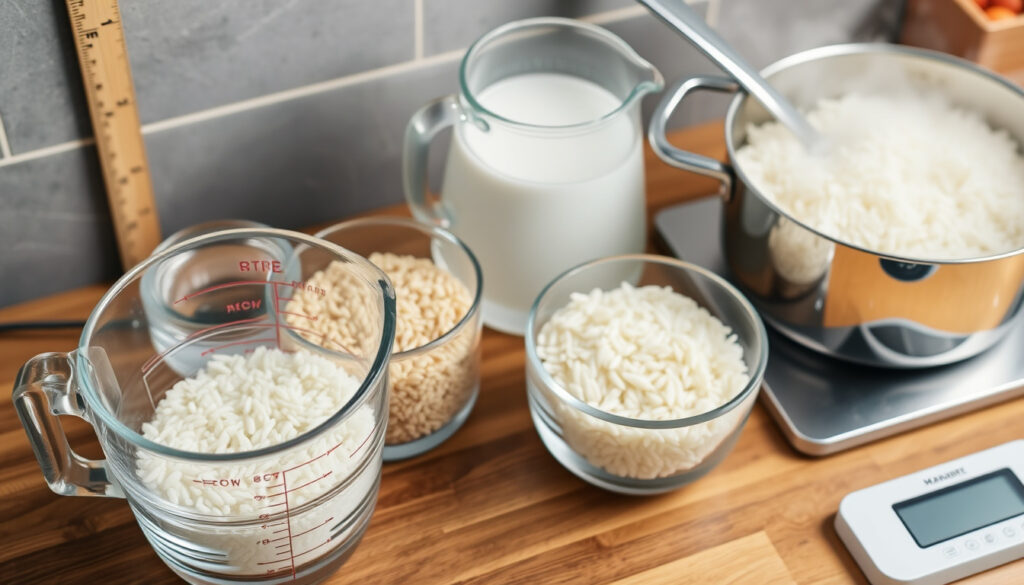
Rice to Water Ratio: Perfect Rice for White, Brown & More
You’ve probably heard that cooking rice is simple, yet so many end up with a soggy or crunchy mess because the secret lies in one number: the rice to water ratio. This guide cuts through the confusion with specific ratios for every type of rice and method, plus expert-backed advice for making rice work in a diabetic diet.
Standard white rice ratio: 1 cup rice to 1.5 cups water ·
Brown rice ratio: 1 cup rice to 2 cups water ·
Basmati rice ratio: 1 cup rice to 1.5 cups water ·
Yield from 1 cup dry rice: About 3 cups cooked
Quick snapshot
- White rice on stovetop: 1 cup rice to 1.5 cups water (RecipeTin Eats (popular recipe blog))
- Brown rice: 1 cup rice to 2 cups water (CDC promotes whole grains)
- Simmer covered until water absorbed, about 20 minutes (CDC diabetes recipe guidance)
- Exact ratio varies by rice cooker model (General culinary knowledge)
- Individual insulin response to rice differs per person (Medical consensus)
- Optimal ratio for pressure-cooking is not standardized (Cooking expertise)
- Standard ratios have remained consistent in culinary guidance for decades (RecipeTin Eats)
- Portion control and resistant starch matter more than ratio for diabetics (Diabetes Food Hub (ADA-linked resource))
- Diabetes Food Hub (ADA-linked resource) offers free cooking classes
How Much Water for Perfectly Cooked Rice?
The answer depends on the type of rice and the cooking method. The table below collects the key ratios and timings from tested sources.
| Rice type / method | Water ratio (cups water per 1 cup rice) | Simmer time (approx.) |
|---|---|---|
| White rice, stovetop | 1.5‑2 (RecipeTin Eats: 1.5) | 13‑18 min |
| White rice, oven / microwave | 2 (RecipeTin Eats) | 20 min |
| Long‑grain white rice | 2 (YouTube tutorial) | 18 min |
| Short‑grain white rice | 1.25 (YouTube tutorial) | 15 min |
| Brown rice | 1.75‑2 (YouTube: 1.75) | 45 min |
| White rice, rinsed | Reduce water by 2 tbsp per cup (RecipeTin Eats) | 13 min |
| Whole‑grain (brown, wild) | 2 (CDC promotes whole grains) | 45‑55 min |
| Calories per cup cooked white rice | 206 | — |
| Yield per 1 cup dry | About 3 cups cooked | — |
How much water do I use for 1 cup of rice?
What is the standard ratio for white rice?
The most widely cited stovetop ratio for standard white rice is 1 cup rice to 1.5 cups water. RecipeTin Eats (popular recipe blog) confirms this and adds that rinsing the rice means you should cut the water by 2 tablespoons per cup. If you’re using an oven or microwave, the same source says the ratio jumps to 1:2.
Does the ratio change for brown or jasmine rice?
Yes. Brown rice, because it retains the bran layer, needs more water and longer cooking. A YouTube tutorial from a cooking channel recommends 1 cup rice to 1.75 cups water for brown rice, simmered for 45 minutes — though the CDC’s diabetes recipe PDF advises simply cooking until tender, about 20 minutes for a rice casserole. Jasmine rice, being a long-grain white variety, typically works with 1:1.5, but some sources (like the same YouTube tutorial) suggest 1:2 for long‑grain.
The implication: one ratio does not fit all. Check your specific variety and method before you pour.
Is rice 2 to 1 or 1.5 to 1?
When to use a 2:1 ratio
A 2:1 ratio (2 cups water per 1 cup rice) is common for:
- Brown rice (whole grain)
- Oven‑baked or microwave white rice (RecipeTin Eats)
- Long‑grain white rice according to the YouTube tutorial
The extra water compensates for evaporation during longer cooking times or less tightly covered methods.
When to use a 1.5:1 ratio
- Standard stovetop white rice (RecipeTin Eats)
- Short‑grain white rice (the YouTube tutorial says 1:1.25)
- Basmati and jasmine, if using the lower end of recommendations
The trade‑off: a 1.5:1 ratio gives firm, separate grains, while 2:1 yields softer, stickier rice — or is necessary for whole grains that need more hydration.
How to properly cook rice?
Steps for stovetop cooking
- Rinse rice under cold water until water runs clear (optional but recommended; reduces starch).
- Combine rice and water in a saucepan. For white rice, use 1 cup rice + 1.5 cups water (RecipeTin Eats).
- Bring to a boil, then reduce heat to low, cover, and simmer for 13‑15 minutes (white) or 40‑50 minutes (brown).
- Remove from heat and let sit covered for 10 minutes — no peeking.
- Fluff with a fork and serve.
The CDC’s diabetes recipe guide follows a similar pattern, noting to simmer until water is absorbed and rice is tender, about 20 minutes for a rice casserole.
Steps for rice cooker cooking
- Use the same water ratio as stovetop (1:1.5 for white, 1:2 for brown).
- Rinse rice, add to cooker, select appropriate setting.
- Cooker automatically switches to warm when done — let rest for 10 minutes before opening.
Rice cookers often require a bit less water because they trap steam more efficiently. Some models have their own measuring lines; follow those first.
Steps for pressure cooker cooking
- Use a 1:1 ratio for white rice (water equals rice volume) because minimal evaporation occurs.
- Cook on high pressure: 3‑5 minutes for white rice, 20‑25 minutes for brown.
- Natural release for 10 minutes, then release remaining pressure.
Pressure‑cooking ratios are less standardized; experimentation with your specific model is advised. For a related recipe using leftover rice, see How to Make Rice Pudding.
The pattern: stovetop and rice cookers are forgiving, while pressure cookers demand precise adjustments.
How to make rice healthy for diabetics?
What rice varieties are best for diabetes?
- Brown rice (whole grain) — higher fiber, lower glycemic index (CDC promotes whole grains)
- Basmati rice — has a lower glycemic index than short‑grain white
- Parboiled (converted) rice — retains some nutrients
The CDC’s Tasty Recipes for People with Diabetes recommends choosing foods lower in saturated fat, salt, and added sugar — rice itself is neutral, but the accompanying sauce matters.
How to reduce glycemic index of rice?
Cooking rice, cooling it (refrigerating for 12‑24 hours), and then reheating increases resistant starch, which lowers the blood sugar spike. Portion control is equally critical: limit to ½ cup cooked rice per meal. The Diabetes Food Hub (ADA‑linked resource) offers free classes on balancing meals.
What is the 2‑4‑6 rule?
- 2 units of insulin for a light meal
- 4 units for a medium meal
- 6 units for a heavy meal
This is a general guideline, not a prescription. Individual insulin needs vary widely, and you should always consult your healthcare provider before making changes.
The catch: no single ratio or rule works for everyone. Test your own response, adjust portion size, and treat rice as one component of a balanced plate.
What is the 2 4 6 rule for diabetes?
How does the 2‑4‑6 rule work?
The 2‑4‑6 rule is a simplified insulin dosage guide for people who use rapid‑acting insulin. It maps meal size to units of insulin: light = 2, medium = 4, heavy = 6. A light meal might be a salad, medium a rice bowl, heavy a full plate with rice, protein, and vegetables. Because rice can be a significant carbohydrate source, the rule helps avoid guessing. However, it’s a starting point — your doctor should confirm the numbers that fit your metabolism.
Who should use this rule?
It’s designed for adults with type 1 diabetes on intensive insulin therapy, and occasionally for type 2 diabetics who take mealtime insulin. It is not a substitute for medical advice. The American Diabetes Association recommends personalized meal planning (as reflected on Diabetes Food Hub).
Upsides
- Predictable results with the correct ratio
- Brown and basmati rice offer more fiber for diabetics
- Resistant starch from cooled rice reduces glycemic impact
- Portion control (½ cup) is a manageable habit
Downsides
- Different rice types require different ratios—easy to confuse
- Rice cooker ratios may differ from stovetop
- Individual insulin needs vary; 2‑4‑6 rule is a rough guide
- White rice has higher glycemic index, so portion must be strict
What we know and what needs more study
Confirmed facts
- Standard stovetop white rice ratio: 1:1.5 (RecipeTin Eats)
- Whole grains like brown rice are part of a diabetes‑friendly diet (CDC)
- Simmering covered until water is absorbed is the universal cooking method (CDC)
What’s still unclear
- Exact ratio for pressure cookers is not standardized
- Rice cooker ratios vary by brand and model
- Individual insulin dosing for rice‑heavy meals needs personalized adjustment
For basmati rice, a stovetop ratio of 1 cup rice to 2 cups water works well — the grains stay separate and fluffy.
— BBC Good Food (authoritative recipe site)
The simplest method: 1 cup of rice to 1.5 cups of water, bring to a boil, cover, simmer for 13 minutes, then rest for 10 minutes. It never fails.
— RecipeTin Eats (popular recipe blog)
Using the Nutrition Facts label to compare salt content helps you choose products with less sodium.
— CDC Tasty Recipes for People with Diabetes
Free virtual cooking classes focusing on diabetes‑friendly meal prep are available through the Diabetes Food Hub.
— Diabetes Food Hub (ADA‑linked resource)
What matters is not just the water ratio but how you build the meal around it. For a diabetic, a bowl of white rice with no protein or vegetables will spike blood sugar faster than a half‑cup of basmati paired with chicken and greens. Cooled, reheated rice adds resistant starch — a small but meaningful trick. The catch: no single ratio or rule works for everyone. Test your own response, adjust portion size, and treat rice as one component of a balanced plate.
Related reading: How to Make Rice Pudding
Frequently asked questions
Can I use the same ratio for jasmine rice?
Yes, stovetop jasmine rice generally works with 1:1.5, but some prefer 1:1.25 for a slightly firmer texture.
How to cook rice without a measuring cup?
Use the finger‑knuckle method: place rice in the pot, level it, then add water until the water reaches your first knuckle (about 1 inch above the rice). This approximates a 1:1.5 ratio.
Does rinsing rice affect water ratio?
Yes — RecipeTin Eats recommends reducing water by 2 tablespoons per cup for rinsed rice to avoid sogginess.
How to store leftover rice?
Cool quickly, refrigerate within 1 hour, and use within 3‑4 days. Reheat thoroughly. Never leave cooked rice at room temperature for more than 2 hours.
Is brown rice better for weight loss?
Its higher fiber content can help with satiety and slower digestion, which may support weight management when part of a controlled diet.
Can I use broth instead of water?
Yes — replacing water with low‑sodium broth adds flavor without extra salt. Since broth has similar volume, the ratio stays the same.
How to fix undercooked rice?
Add 2‑3 tablespoons of water per cup of rice, cover, and cook on low heat for another 5 minutes. Then rest for 5 minutes before fluffing.
What is the healthiest rice for diabetics?
Brown rice, basmati, and parboiled rice have the lowest glycemic index. Always pair with protein and vegetables to slow glucose absorption.
More related posts
 Ercan Ramadan: Vicky Pattison’s Husband & Entrepreneur
 Best Bottomless Brunch London: Fun, Rooftop & Cheap
 Benson Boone Beautiful Things Lyrics – Full Text and Meaning
 When Did The Queen Die – Exact Date Time Age Facts
 How Did Steve Irwin Die – Rare Stingray Fatality Explained
 Book of Mormon Musical – Everything You Need to Know
 Inter Miami vs Nashville: Messi Suspension and Match Preview
 England v Scotland Rugby 2025: Calcutta Cup Result & How to Watch