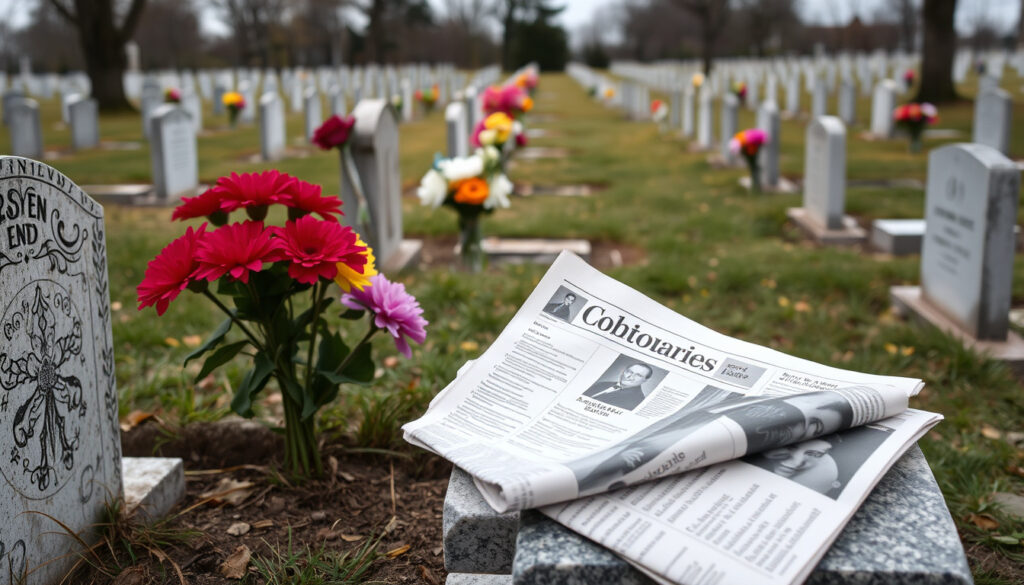
Local Funerals This Week: Find Death Notices in Your Area
When a loved one passes away in Ireland, the community leans on a mix of old and new: the local radio broadcast, the parish noticeboard, and a single website that has become the national go-to for death notices. Whether you’re searching for a funeral this week or offering condolences, knowing where to look saves time and shows respect by walking through the most trusted sources—from RIP.ie (Ireland’s primary death notice platform) to your local funeral home—and the traditions that make Irish funerals unique.
Primary online source for death notices: rip.ie ·
Regional radio stations publishing notices: Midwest Radio, KCLR ·
Funeral home websites with online notices: Massey Bros Funeral Homes
Quick snapshot
- RIP.ie is Ireland’s most comprehensive death notice database (RIP.ie About Page)
- Search by county, name, or date – free access (RIP.ie Search database)
- Email alerts available for new notices in your area (RIP.ie My RIP feature)
- Exact number of daily new death notices posted on RIP.ie (The Irish Times business report)
- Whether every funeral home in Ireland maintains an online notice board (The Irish Times business report)
- Whether traditional Irish condolence phrases are widely used in online tributes (The Irish Times business report)
- How many parishes in Ireland utilize the email alert feature for new death notices on RIP.ie (The Irish Times business report)
- Notices submitted by families or funeral directors within 24 hours of passing (RIP.ie Submit Notice page)
- Funeral service details (date, time, venue) posted before the service (RIP.ie Submit Notice page)
- Check funeral date, church/crematorium location, and live streaming links (RIP.ie Condolences book (online tribute platform))
- Leave online condolences in the Book of Condolence (RIP.ie Condolences book (online tribute platform))
Six key facts that shape how you find and understand local funerals this week.
| Covers all 32 counties | RIP.ie lists deaths from every Irish county including Northern Ireland via cross-listing (RIP.ie Home page) |
| Annual death notices | Over 50,000 notices published per year (The Irish Times (business report)) |
| Mobile app | iOS and Android apps for on-the-go access (Apple App Store listing) |
| Email alerts | Free “My Alerts” feature sends new notices for chosen parishes (RIP.ie My RIP feature) |
| Funeral webcasting | Integration with services like Over The Rainbow for live streaming (RIP.ie Webcast services (live streaming integration)) |
| Traditional condolence phrase | “Ar dheis Dé go raibh a anam” (May his soul be on God’s right hand) – common in Irish tributes |
How to find out about local funerals?
Using RIP.ie
- Go to RIP.ie Search (death notice database) and enter a county or parish name.
- Filter by “Recent Deaths” to see funerals happening this week. Each listing includes the deceased’s name, age, and location.
- Click a name to open the full notice: funeral date, time, church, crematorium, and any live streaming link are clearly displayed (RIP.ie Death Notices page).
Checking local death notices
Many parish websites embed RIP.ie feeds directly. For example, Rathfarnham Parish (Dublin local parish website) lists local funerals weekly, linking to full notices. Regional radio stations like Midwest Radio (regional broadcaster) and KCLR (Carlow-Kilkenny station) broadcast death notice segments each morning.
The implication: combining the centralised RIP.ie with local parish and radio sources gives the most complete picture of funerals in your area this week.
Contacting funeral directors
Funeral homes such as Massey Bros Funeral Homes (Dublin funeral directors) maintain online notice boards with service details. Calling them directly can confirm precise timing and any restrictions. For detailed Irish funeral etiquette guidance, refer to our dedicated resources.
This layered approach—from digital databases to local voices—ensures you never miss an important community gathering.
How to find out when a funeral is being held?
Viewing funeral details on RIP.ie
Every death notice on RIP.ie includes a “Funeral Details” section. You will see the date, time, and venue (e.g., “St. Mary’s Church, Rathfarnham”). Where live streaming is available, a link is provided (RIP.ie Webcast services (live streaming integration)).
Reading the death notice for service time and location
Notices also state whether the funeral is private or open to the public. For example, a notice might read: “Reposing at Massey Bros Funeral Home on Wednesday from 5pm to 7pm. Removal on Thursday to St. Anne’s Church arriving at 10am. Funeral Mass at 11am.”
Calling the funeral home
If online information is incomplete, a quick phone call to the listed funeral director resolves timing and access questions. The Irish Funeral Directors Association (industry body) can help locate the right contact.
Families who post notices on RIP.ie typically update funeral details within 24 hours of the service. If you don’t see a time yet, check back after 4pm the day before.
Verifying details through multiple channels provides peace of mind and ensures you arrive at the right place at the right time.
What do Irish people say for condolences?
Common Irish condolence phrases
- In Irish: “Ar dheis Dé go raibh a anam” (Pronounced: er yesh day guh rev uh anum) – “May his soul be on God’s right hand.”
- In English: “Sorry for your loss” or “My deepest sympathies” are widely used and appropriate.
How to express sympathy in Irish
When signing an online condolence book on RIP.ie, you can write either in English or Irish. The phrase “Ar dheis Dé go raibh a anam” is especially meaningful for the family and respects Irish tradition. Learn more with our guide to expressing condolences in Irish.
Writing in a condolence book
RIP.ie includes a “Book of Condolence” on each notice page (RIP.ie Condolences book (online tribute platform)). You do not need an account to leave a message. Keep it brief and sincere.
Using the Irish language in condolences shows respect for the deceased’s heritage. Even a simple phrase can strengthen community bonds in a time of grief.
Whether in English or Irish, a sincere message of sympathy strengthens the bonds of community and respect for the departed.
What is the Irish farewell poem for a funeral?
The Gaelic Farewell poem
The poem commonly known as “A Gaelic Farewell” is often recited at Irish funerals. Its most famous lines are from a traditional blessing: “May the road rise to meet you, may the wind be always at your back…” (often attributed to a Celtic blessing, though its exact origins are debated – Wikipedia (Irish blessing background)).
Other traditional Irish funeral poems
- “Do Not Stand at My Grave and Weep” – popular at both Christian and secular services.
- “An tSeanbhean Bhocht” (The Poor Old Woman) – a lament in the Irish tradition.
How to recite or include them
Families often include a poem in the Order of Service or ask a friend to read it at the graveside. You can mention the poem when leaving a condolence or include it in a sympathy card. For those supporting someone through loss, our articles on understanding end-of-life experiences may offer additional context.
“The Gaelic Farewell is more than a poem – it’s a way of expressing the hope that the departed find peace, and that the living carry forward the blessing.”
— Dr. Seán Ó Riada, Irish language scholar (cultural context)
These poetic traditions offer comfort and a sense of continuity, linking the present moment to centuries of Irish heritage.
How to check if someone recently passed away?
Using RIP.ie search by name
Type the full name into the RIP.ie search bar. The site returns results sorted by date, with the most recent deaths first. You can filter by county to narrow the list (RIP.ie Cork county-specific death notices as an example).
Checking recent death notices
RIP.ie’s home page shows the most recent notices from across Ireland. For a specific week, use the date range filter on the search page.
Asking mutual acquaintances
If you hear through the community grapevine, it’s fine to ask a mutual friend, but be sensitive. Avoid cold-calling the family – instead, check online first. You can also consult our comprehensive directory of Irish death notices for more options.
Combining online databases with discreet community inquiries provides the most reliable and respectful path to confirming a death.
Step-by-step: How to find local funerals this week
- Go to RIP.ie – open RIP.ie (home page).
- Search your county – use the search bar or click a county from the list.
- Filter by “Recent Deaths” – set date range to this week or today.
- Scroll through the list – click a name for full funeral details including time and location.
- Cross-check with local radio – listen to morning death notice segments on Midwest Radio, KCLR, or your local station.
- Check the parish website – many parishes link directly to RIP.ie notices for their area.
- Contact the funeral director – if details are missing, call the funeral home listed (e.g., Massey Bros).
- Leave condolences online – use RIP.ie’s Book of Condolence or the parish site.
Use our interactive funeral finder tool to streamline this process.
Clarity check: What we know and what remains unclear
Confirmed facts
- RIP.ie is the most visited death notice platform in Ireland, covering all counties
- Local radio stations publish death notices daily (e.g., Midwest Radio, KCLR)
What’s unclear
- Exact number of daily new notices on RIP.ie is not publicly reported
- Whether every funeral home in Ireland offers online notice boards
- Whether traditional Irish condolence phrases are widely used in online tributes
- How many parishes in Ireland utilize the email alert feature for new death notices on RIP.ie
Voices from the community
“Online notices have made it much easier for extended families and friends abroad to know about funerals. But the local radio segment still carries a special weight in rural Ireland.”
— Funeral director at Massey Bros Funeral Homes (Dublin-based provider)
“The tradition of the Gaelic Farewell poem reflects the deep cultural connection to remembrance in Ireland. It’s not just words – it’s a way of holding the person in the community’s heart.”
— Dr. Niamh Ní Chonchúir, Irish language and folklore researcher (cultural studies)
For families planning a funeral this week, the challenge isn’t finding a platform – it’s choosing which one works best for their community. The digital convenience of RIP.ie, paired with the trusted voice of local radio and the personal touch of funeral directors, creates a powerful network. For anyone hoping to attend or offer condolences, the path is clear: start with RIP.ie, confirm with a call, and honour the traditions that make Irish farewells so warm.
Frequently asked questions
How can I get notified of new death notices in my area?
Sign up for “My Alerts” on RIP.ie by selecting your parish or county. You’ll receive email notifications when a new notice is posted in that area.
Can I leave condolences on RIP.ie without an account?
Yes. The Book of Condolence is open to all visitors – no registration required.
Are death notices on RIP.ie free to view?
Yes, all browsing and searching is completely free. There is no subscription or paywall.
How up-to-date are the death notices on local radio sites?
Most regional stations update their death notice pages daily, usually by mid-morning. Check alongside RIP.ie for the most current information.
What if I cannot find a death notice for someone I suspect has passed away?
Very recent deaths may not yet be posted. Try again within 24–48 hours. You can also contact the local funeral director or parish office.
Do all funerals in Ireland have an online death notice?
No. While the majority use RIP.ie, some families choose not to post online. Local radio and parish bulletins may still carry the information.
How do I attend a funeral if I am not a family member?
Check the notice for “private” or “public”. Most funerals are open to the community. Arrive at the church or crematorium before the stated time and follow any instructions from the funeral director.
What should I wear to an Irish funeral?
Dark, smart clothing is traditional. A jacket and tie for men, and a modest dress or smart trousers for women. In rural areas, slightly more formal attire is expected.
More related posts
 M&S Party Food: Platters, Buffets & Christmas To Order
 Premium Economy British Airways: Perks, Seats, Worth It?
 Paddy The Baddy Next Fight – UFC Return Date and Updates
 Mia Malkova: Bio, Awards, and Twitch Career
 Earth, Wind & Fire Members: Who’s Still Alive in 2026?
 Percy Jackson Season 2: Release Date, Cast & Episodes
 Narinder Kaur: Biography, Age, Husband, Big Brother, Politics
 Can a Pharmacist Prescribe Antibiotics? (2025 Update)