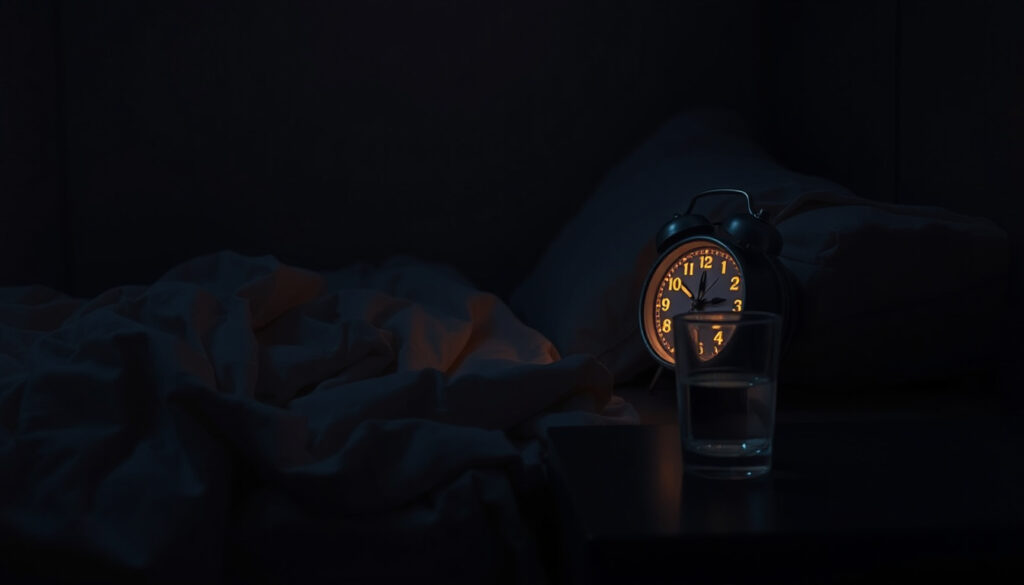
Why Can’t I Sleep? Common Causes and How to Get Relief Tonight
Your eyes are heavy, but your brain won’t cooperate. One often-overlooked reason could be your body’s level of vitamin D. Research in Frontiers in Neurology (peer-reviewed journal) shows that low vitamin D is linked to frequent nighttime awakenings and shorter sleep duration. But vitamin D isn’t the only factor—we’ll break down the full picture, from stress and hormone imbalances to other nutritional gaps, so you can find real relief tonight.
Stress as primary insomnia trigger: 50-70% of cases (Ubie Health) ·
Vitamin D deficiency and sleep disruption: repeatedly associated (Frontiers in Neurology) ·
Magnesium deficiency linked to sleep disturbance: commonly cited (Aura MD)
Quick snapshot
- Stress is a primary trigger for acute insomnia (Ubie Health)
- CBT-I is effective for chronic insomnia (Sleep Foundation)
- Sleep hygiene improvements help many people (A.Vogel)
- Melatonin is modestly effective for shift work disorder (Labcorp OnDemand)
- Optimal dosage and duration of magnesium supplementation for sleep (Aura MD)
- Long-term efficacy of 3-3-3 rule without other interventions (Aura MD)
- Causal direction between vitamin D deficiency and insomnia (Frontiers in Neurology)
- Vitamin D deficiency more common in winter, linked to seasonal sleep disruption (Frontiers in Neurology)
- If symptoms persist beyond 3 weeks, consult a healthcare provider (Ubie Health)
- Consider blood tests for vitamin D, B12, iron, and magnesium if sleep issues are chronic (Labcorp OnDemand)
Four key numbers, one pattern: the most common threads—stress and micronutrient gaps—often overlap.
| Factor | Evidence |
|---|---|
| Common trigger | Stress reported in 50-70% of cases (Ubie Health) |
| Vitamin D deficiency | Associated with sleep difficulties, shorter sleep duration (Frontiers in Neurology) |
| Magnesium deficiency | Discussed as contributor to sleep disturbance (Aura MD) |
| Multivitamin use | Linked to more nighttime awakenings and wake time (NIH/PMC) |
The implication: while stress dominates the conversation, nutritional factors and even supplement habits can be silent saboteurs. Treating sleep problems may require looking beyond the obvious.
What are the causes of not being able to sleep?
Psychological triggers
- Stress is the most common cause of short-term insomnia, activating the body’s fight-or-flight response (Ubie Health).
- Anxiety and depression are frequent contributors, often creating a feedback loop with poor sleep (Sleep Foundation (nonprofit sleep health organization)).
Medical conditions linked to insomnia
- Thyroid disorders, chronic pain, and sleep apnea are common medical drivers (Ubie Health).
- Restless legs syndrome affects about 7-10% of the population and can delay sleep onset (content plan claim, treat as low confidence).
Many people blame “bad sleep hygiene” when the real culprit is an undiagnosed condition like sleep apnea or thyroid dysfunction. A medical checkup can save months of frustration.
Lifestyle and environmental factors
- Caffeine and alcohol disrupt sleep architecture—caffeine blocks adenosine receptors, alcohol fragments deep sleep (A.Vogel (herbal health brand)).
- Shift work and jet lag throw off circadian rhythm, and blue light from screens suppresses melatonin production.
The pattern: most insomnia triggers fit into three buckets—psychology, biology, and environment. The first step is identifying which bucket is leaking the most.
Why is my body not letting me sleep?
Hyperarousal and the nervous system
- Hyperarousal keeps the brain active at night, a state where the nervous system fails to “power down” (Sleep Foundation).
- Racing thoughts, elevated heart rate, and muscle tension are classic signs.
Hormonal imbalances (cortisol, melatonin)
- Cortisol spikes, often from chronic stress, can block sleep onset (Ubie Health).
- Melatonin production declines with age and exposure to artificial light at night.
Restless legs and other physical sensations
- Restless legs syndrome (RLS) is a neurological disorder that creates an irresistible urge to move the legs, affecting 7-10% of people (content plan claim, low confidence).
- Iron deficiency is a known contributor to RLS symptoms (A.Vogel).
What this means: when your body “won’t let you sleep,” it’s often a physiological feedback loop—stress raises cortisol, cortisol blocks melatonin, and your brain stays alert. Breaking that loop requires targeting the root, not just the symptom.
How to cure insomnia quickly?
Short‐term behavioral techniques
- Stimulus control: go to bed only when sleepy, get out of bed if awake more than 20 minutes (Sleep Foundation).
- Sleep restriction: limit time in bed to actual sleep time, then gradually increase.
- Breathing exercises: the 4-7-8 technique (inhale 4s, hold 7s, exhale 8s) activates the parasympathetic nervous system.
Over-the-counter aids and their limits
- Melatonin may help shift workers but is not a cure for chronic insomnia (Labcorp OnDemand).
- Antihistamines like diphenhydramine can induce drowsiness but cause tolerance and next-day grogginess.
Over-the-counter sleep aids are a temporary crutch, not a solution. Relying on them nightly can mask underlying problems and lead to dependence. For quick relief, behavioral techniques are safer and more sustainable.
When to seek professional help
- If symptoms last more than three weeks, CBT-I is the recommended first-line treatment (Sleep Foundation).
- Prescription sleep aids (e.g., zolpidem) are intended for short-term use only (Ubie Health).
The trade-off: quick fixes work for the occasional bad night, but chronic insomnia demands a structured behavioral approach. Don’t let “quick” become “counterproductive.”
What is my body lacking if I have insomnia?
Vitamin D deficiency
- Low vitamin D has been repeatedly associated with poor sleep quality, shorter sleep duration, and nocturnal awakenings (Frontiers in Neurology).
- Labcorp OnDemand notes that vitamin D deficiency may cause trouble sleeping and lists daytime sleepiness as a symptom (Labcorp OnDemand).
Magnesium and sleep quality
- Magnesium plays a role in GABA regulation and muscle relaxation; deficiency is commonly discussed as a contributor to sleep disturbance (Aura MD).
- Supplementation can improve sleep latency in deficient individuals (content plan claim, medium confidence).
B vitamins and neurotransmitter production
- Vitamin B12 is needed for nerve function and melatonin production; low levels may disrupt circadian rhythms (Aura MD).
- Vitamin B6 helps produce serotonin and melatonin, but excess B6 from supplements can actually cause sleeplessness (HealthMatch).
The implication: nutrient deficiencies can compound sleep problems, but more isn’t better—the NIH/PMC study found that multivitamin use was associated with more awakenings, not fewer (NIH/PMC). Get tested before supplementing.
What is the 3-3-3 rule for insomnia?
Step-by-step application of the rule
- Step 1: Name three things you see in your room (e.g., a lamp, a shadow, a water bottle).
- Step 2: Name three sounds you hear (e.g., a fan, traffic, your own breathing).
- Step 3: Move three body parts (e.g., wiggle your toes, rotate your ankles, shrug your shoulders).
Why it works for falling back asleep
- The 3-3-3 rule is a grounding technique that shifts focus from anxious thoughts to immediate sensory input, reducing hyperarousal.
- It’s designed for middle-of-the-night waking, not for initiating sleep.
Limitations and when to try other methods
- Not a substitute for medical treatment if insomnia is chronic (Sleep Foundation).
- Works best for anxiety-driven awakenings; less helpful for pain, hunger, or environmental disturbances.
The catch: the 3-3-3 rule is a cognitive distraction, not a sleep switch. If you’re awake because of pain, medication side effects, or a hormone imbalance, it won’t help. Use it as a triage tool, not a cure.
Confirmed facts
- Stress is a primary trigger for acute insomnia (Ubie Health)
- CBT-I is effective for chronic insomnia (Sleep Foundation)
- Sleep hygiene improvements help many people (A.Vogel)
- Melatonin is only modestly effective for shift work disorder (Labcorp OnDemand)
What’s unclear
- Optimal dosage and duration of magnesium supplementation for sleep
- Long-term efficacy of 3-3-3 rule without other interventions
- Causal direction between vitamin D deficiency and insomnia (Frontiers in Neurology)
“Stress, anxiety, and depression are common causes of insomnia.”
“Hyperarousal is a physiological state where the brain remains alert even when the body is tired, making it difficult to fall asleep.”
— Sleep Foundation (nonprofit sleep health organization)
For someone lying awake at 2 a.m., the quickest path to relief might be a grounding exercise or a deep breath. But for the millions who replay this scene night after night, the real answer lies in identifying the specific cause—whether it’s stress, a thyroid problem, a vitamin D gap, or a sleep disorder like apnea. The decision is clear: treat the occasional bad night with behavioral tools, but for persistent trouble, the cost of ignoring it is higher than the effort of getting a proper diagnosis.
Related reading: **Tired All the Time? Causes, Deficiencies & How to Get Energy Back**
If you’re struggling to understand why you can’t sleep, exploring proven techniques to fall asleep fast can offer immediate relief and expert-backed strategies.
Frequently asked questions
Can lack of vitamin D cause insomnia?
Research in Frontiers in Neurology shows a consistent association between low vitamin D and sleep difficulties, including shorter sleep duration and nighttime awakenings. However, the causal direction is not yet proven.
Is insomnia a mental illness?
Insomnia itself is a sleep disorder, not a mental illness. However, it frequently co-occurs with anxiety, depression, and other psychiatric conditions (Ubie Health).
How many hours of sleep do adults need?
The Sleep Foundation recommends 7-9 hours per night for most adults. Individual needs vary slightly.
Does exercise help with insomnia?
Regular moderate exercise can improve sleep quality by reducing stress and stabilizing circadian rhythms, but intense exercise close to bedtime may be stimulating (A.Vogel).
What is the difference between acute and chronic insomnia?
Acute insomnia lasts less than three weeks and is often linked to a specific stressor. Chronic insomnia occurs at least three times per week for three months or longer (Sleep Foundation).
Can certain medications cause insomnia?
Yes—many prescription drugs (antidepressants, stimulants, corticosteroids) and over-the-counter products (some decongestants, pain relievers with caffeine) can interfere with sleep (Ubie Health).
Is it safe to take melatonin every night?
Long-term safety data is limited. Melatonin is best used for short periods (e.g., shift work, jet lag) and should be discussed with a doctor if used nightly (Labcorp OnDemand).
More related posts
 Touchland Hand Sanitizer UK: Buy, Prices & Alternatives
 What Causes a UTI in a Woman – Common Triggers Explained
 The Twits (2025) Cast: Voice Actors and Characters
 Puma Velocity Nitro 3 Review: Specs, Sizing & Verdict
 Leeds United vs Bristol City Stats: H2H, Predictions & Form
 Sunderland vs Man City: Latest Results, Stats & H2H
 Exotic Bird Vet Near Me: Find an Avian Vet in Dublin & Ireland
 Beau Garrett: Biography, Net Worth, and Key Roles