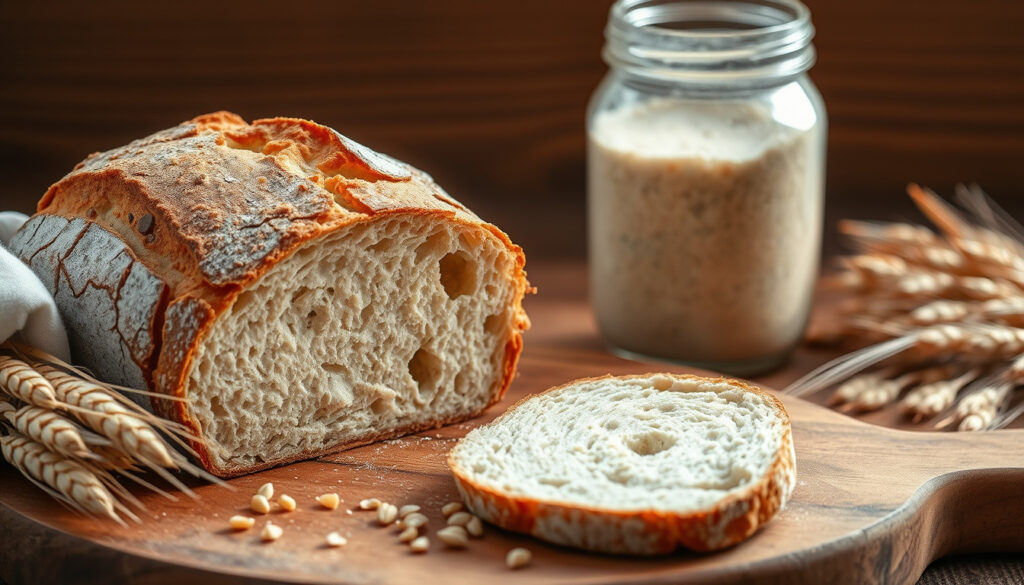
Is Sourdough Gluten Free? Celiac & Sensitivity Facts
Regular sourdough bread made from wheat is not gluten-free. It contains approximately 200 ppm gluten—ten times the FDA’s 20 ppm safety threshold for celiac disease—making it unsafe for anyone requiring strict avoidance.
Gluten in sourdough: 200 ppm · Gluten in regular bread: 130,000 ppm · GF threshold: <20 ppm · Celiac recommendation: Avoid regular sourdough
Quick snapshot
- Avoid regular sourdough (Beyond Celiac)
- <20 ppm required for safety (Beyond Celiac)
- Only certified GF sourdough acceptable (Beyond Celiac)
- May tolerate sourdough better than regular bread (Lay It Flat)
- Fermentation helps break down gluten (Lay It Flat)
- Test individually before regular consumption (Lay It Flat)
- Sourdough contains ~200 ppm gluten (Healthline)
- Regular wheat bread: ~130,000 ppm (Healthline)
- Rye contains even higher gluten levels (Healthline)
Three bread categories, one reality: traditional sourdough sits in a middle zone—far lower than regular bread but still above the safety threshold for celiac disease.
| Measurement | Value | Source |
|---|---|---|
| US gluten-free standard | <20 ppm (FDA) | Beyond Celiac |
| Sourdough gluten content | ~200 ppm | Healthline |
| Regular wheat bread | ~130,000 ppm | Healthline |
| Fermentation reduction | ~90% less than white bread | Wildgrain |
| GF threshold | <20 ppm | Celiac Self-Care |
| Artisanal sourdough tests | All exceeded 20 ppm | Celiac Self-Care |
Is Sourdough Bread Gluten-Free?
For celiac disease
For those with celiac disease, the answer is unambiguous: regular sourdough bread is not safe. The FDA defines “gluten-free” as containing 20 parts per million (ppm) of gluten or less, and all traditional sourdough made from wheat exceeds this threshold (Beyond Celiac). Gluten-Free Watchdog testing found that artisanal sourdough loaves consistently register above 20 ppm, sometimes reaching approximately 200 ppm—ten times the legal limit for a gluten-free label (Celiac Self-Care). Beyond Celiac warns that some brands have even falsely marketed wheat-based sourdough as safe for celiac patients, which is outright dangerous misinformation (Beyond Celiac). Even in asymptomatic celiac patients, consuming wheat sourdough can cause intestinal damage—the small intestine’s villi can be harmed even when no immediate symptoms appear.
Gluten content facts
During sourdough fermentation, lactobacilli bacteria progressively break down gluten proteins. Traditional fermentation can reportedly reduce gluten by approximately 90% compared to regular wheat bread (Wildgrain), but this still leaves measurable gluten. Regular wheat bread contains approximately 130,000 ppm gluten, while traditional sourdough measures around 200 ppm after fermentation—a dramatic difference but still ten times above the <20 ppm gluten-free threshold (Healthline). A 2004 peer-reviewed study demonstrated that carefully selected lactobacilli strains could produce sourdough tolerated by celiac patients, with those researchers noting that lactobacilli hydrolyze proline-rich gluten peptides like the 33-mer (PMC). Thirteen of 17 celiac patients showed no intestinal permeability changes after 60 days of eating specially prepared sourdough bread with only 8 ppm gluten (Healthline), but this was under controlled laboratory conditions with specific bacterial strains—not typical bakery production. For celiac patients, only certified gluten-free sourdough made with a gluten-free starter is safe.
Celiac patients face a clear choice: certified gluten-free sourdough made with a verified gluten-free starter and tested below 20 ppm, or regular sourdough that’s unsafe. There is no middle ground.
Is sourdough ok for a gluten-free diet?
Celiac vs sensitivity
Celiac disease is an autoimmune response where gluten triggers the immune system to attack intestinal tissue. Any gluten exposure causes damage, making strict avoidance mandatory (Beyond Celiac). Non-celiac gluten sensitivity (NCGS) operates differently—it triggers uncomfortable symptoms but does not produce the same autoimmune intestinal damage. The distinction matters for dietary recommendations.
Expert recommendations
Beyond Celiac recommends only certified gluten-free sourdough for celiac patients (Beyond Celiac). A 2011 Italian study demonstrated that celiac volunteers tolerated specially fermented sourdough, and earlier 2004 research produced sourdough tolerated by celiac patients using selected lactobacilli—but both required controlled conditions not typical of commercial or artisanal production (Mayo Clinic Connect). For NCGS, some people with gluten sensitivity reportedly tolerate sourdough better than other wheat breads (Lay It Flat). Fermentation also breaks down FODMAPs and ATIs in sourdough, which may help with digestive symptoms beyond celiac—Monash University research confirms sourdough reduces FODMAPs (Mayo Clinic Connect).
Sourdough fermentation benefits for non-celiac sensitivity are real but variable—no standardized protocol exists for fermentation time or bacterial selection. Every sourdough loaf is a personal experiment with unpredictable outcomes.
What kind of bread has the least gluten?
Sourdough ranking
Among breads containing gluten, sourdough ranks lower than regular wheat bread because fermentation degrades some gluten proteins (Healthline). However, gluten-free breads made without wheat, barley, or rye sit at the very bottom of the gluten scale—their gluten content depends entirely on whether cross-contamination occurs during manufacturing.
Lowest gluten options
- Certified gluten-free breads: <20 ppm (safe for celiac)
- Traditional sourdough: ~200 ppm (not safe for celiac)
- Regular wheat bread: ~130,000 ppm (highest gluten content)
- Rye bread: comparable to wheat, contains gluten proteins
For celiac patients, the only safe options are certified gluten-free breads. For non-celiac gluten sensitivity, sourdough may be tolerable but is not guaranteed safe—individual response varies significantly.
How much gluten in sourdough vs regular bread?
Quantified levels
The numbers paint a stark contrast. Regular wheat bread contains approximately 130,000 ppm gluten, while traditional sourdough made from wheat measures around 200 ppm after fermentation—roughly 99% less but still ten times above the <20 ppm threshold required for a gluten-free label (Healthline). Gluten-Free Watchdog tested three artisanal sourdoughs, and all exceeded 20 ppm (Celiac Self-Care).
Fermentation impact
Long fermentation reduces some toxic parts of gluten for non-celiac gluten sensitivity, according to Peter Green, Director of the Celiac Disease Center at Columbia University (Mayo Clinic Connect). Alessio Fasano, Director of the Center for Celiac Research, notes that sourdough may increase tolerance for gluten intolerance—but only under specific controlled conditions. However, the gluten reduction achieved in laboratory settings (8 ppm in one study) does not translate to commercial or artisanal sourdough, which lacks standardized fermentation protocols and consistent testing. Sourdough may not be better than regular bread for people with IBS on a gluten-free diet, according to some research (Healthline).
Is sourdough starter gluten free?
Traditional vs GF starter
A sourdough starter is a live culture of wild yeast and bacteria—typically lactobacilli—that ferments the flour and water mixture over time. Traditional sourdough starters are fed wheat flour, which means they contain gluten (Healthline). For gluten-free sourdough, you need a starter made from gluten-free flour such as rice flour, buckwheat, or sorghum. Using a traditional wheat-fed starter to make sourdough “gluten-free” bread defeats the purpose—even if the final dough uses GF flour, the starter itself introduces gluten contamination.
Usage notes
For people with celiac disease, cross-contamination is a serious concern. Even if you use a gluten-free starter, baking in a shared environment with wheat flour in the air or on surfaces can introduce trace gluten. Dedicated gluten-free equipment and a certified GF flour supply are essential for true gluten-free sourdough production.
Peter Green, Director of the Celiac Disease Center at Columbia University
The long fermentation process to make sourdough bread the old fashioned way does reduce some of the toxic parts of gluten for those that react to it.
Beyond Celiac, Celiac Advocacy Organization
There has long been misinformation online about wheat-based, sourdough bread being safe for those with celiac disease and gluten sensitivity—this is not true.
Alessio Fasano, Director of the Center for Celiac Research
Sourdough may increase tolerance for gluten intolerance, but only when prepared under specific controlled conditions.
The implication is that commercial sourdough—however artisanal or carefully made—cannot be trusted for celiac disease without documented testing below 20 ppm.
| Bread Type | Gluten Level | Celiac Safe | Key Feature |
|---|---|---|---|
| Gluten-free bread | <20 ppm | Yes (certified) | Made without wheat, barley, or rye |
| Traditional sourdough | ~200 ppm | No | Fermented, but still contains gluten |
| Regular wheat bread | ~130,000 ppm | No | Yeast-leavened, no fermentation |
Upsides
- Easier to digest than regular bread for some people with NCGS
- Lower FODMAPs than regular bread (Mayo Clinic Connect)
- Fermentation may reduce toxic gluten parts for non-celiac sensitivity
Downsides
- Not safe for celiac disease—exceeds 20 ppm threshold
- Commercial sourdough not consistently tested or standardized
- No regulatory labeling to indicate GF safety
- Misinformation online falsely claims wheat sourdough is safe for celiac
For celiac patients, the stakes are non-negotiable: even asymptomatic ingestion of wheat sourdough can cause intestinal damage, and the evidence is clear that regular sourdough exceeds the 20 ppm safety threshold. For those with non-celiac gluten sensitivity, sourdough may offer tangible benefits—fermentation reduces FODMAPs and ATIs that trigger digestive distress—but without standardized production methods, every loaf is a gamble. If you have celiac disease, stick to certified gluten-free bread products and verify any sourdough claims with third-party testing. If you have NCGS, introduce sourdough cautiously and monitor your individual response.
Related reading: How to Make Chia Pudding – Simple 5-Ingredient Recipe · Kg to Stone and Lbs Converter: NHS Charts & Calculator
While sourdough’s fermentation process lowers gluten slightly, as outlined in a sourdough bread guide, regular loaves still contain 200 ppm and endanger celiacs.
Frequently asked questions
Is rye bread gluten-free?
No. Rye contains gluten proteins similar to wheat. People with celiac disease or gluten sensitivity must avoid rye bread entirely.
Is sourdough dairy free?
Traditional sourdough doesn’t contain dairy ingredients in its basic form—flour, water, and salt are the core components. However, some recipes add milk, butter, or cheese, so check the ingredients if you have dairy concerns.
Is sourdough gluten free bread healthy?
Gluten-free sourdough made without gluten-containing ingredients can be part of a healthy diet for those avoiding gluten. It may offer improved digestibility compared to standard gluten-free bread due to fermentation breaking down FODMAPs and phytic acid.
What bread is highest in gluten?
Regular wheat bread made with traditional yeast contains the highest gluten levels—approximately 130,000 ppm. Rye bread contains slightly different gluten proteins but comparable amounts. Both should be avoided by anyone requiring a gluten-free diet.
What are the signs of gluten intolerance?
Symptoms include bloating, abdominal pain, diarrhea, constipation, fatigue, headaches, joint pain, and skin rashes. Celiac disease can also cause nutrient deficiencies and intestinal damage. If you suspect gluten intolerance, consult a healthcare provider for proper diagnosis.
Best sourdough bread for gluten sensitivity
If you have non-celiac gluten sensitivity, sourdough with long fermentation times may be better tolerated than regular bread—but individual response varies. A certified gluten-free sourdough is the safest option if you want to avoid any risk.
What type of bread has the lowest gluten?
Breads made without wheat, barley, or rye have the lowest gluten content—ideally below 20 ppm when certified gluten-free. Look for breads made from almond flour, coconut flour, rice flour, or other naturally gluten-free grains.
More related posts
 Premium Economy British Airways: World Traveller Plus Guide
 Kg to Stone and Lbs Converter: NHS Charts & Calculator
 The Twits (2025) Cast: Voice Actors and Characters
 Qatar Airways vs Emirates: 2025 Economy Class Comparison
 White Fox Discount Code: 20% Off & Student Savings 2026
 What Is a Duvet vs Comforter – Key Differences in Warmth and Care
 When Did The Queen Die – Exact Date Time Age Facts
 I Pedro Pa cal Gay? Rumor , Ally hip, and What We Know